Simple Coffee Table
·387 words·2 mins
Table of Contents
Project Overview #
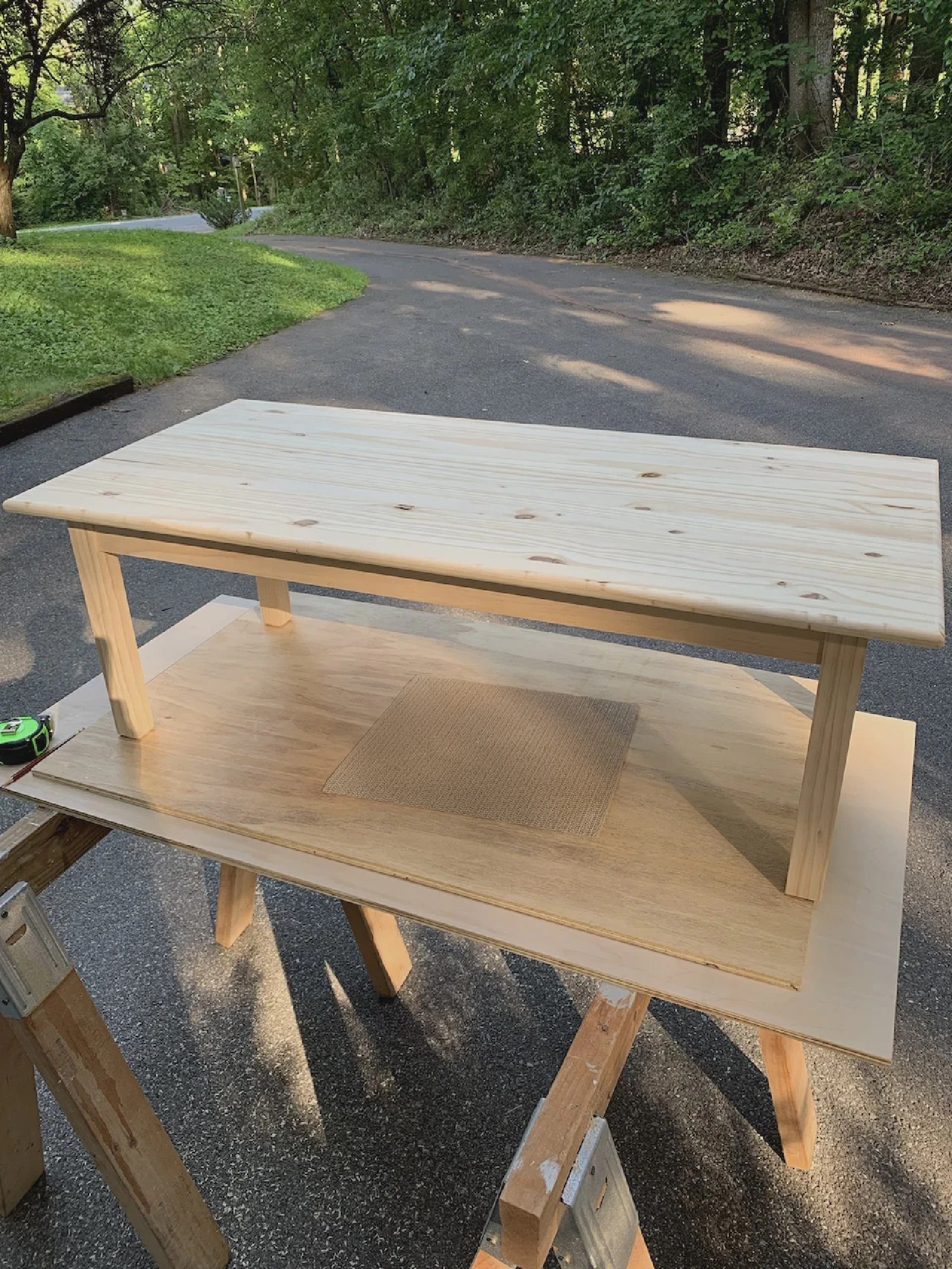
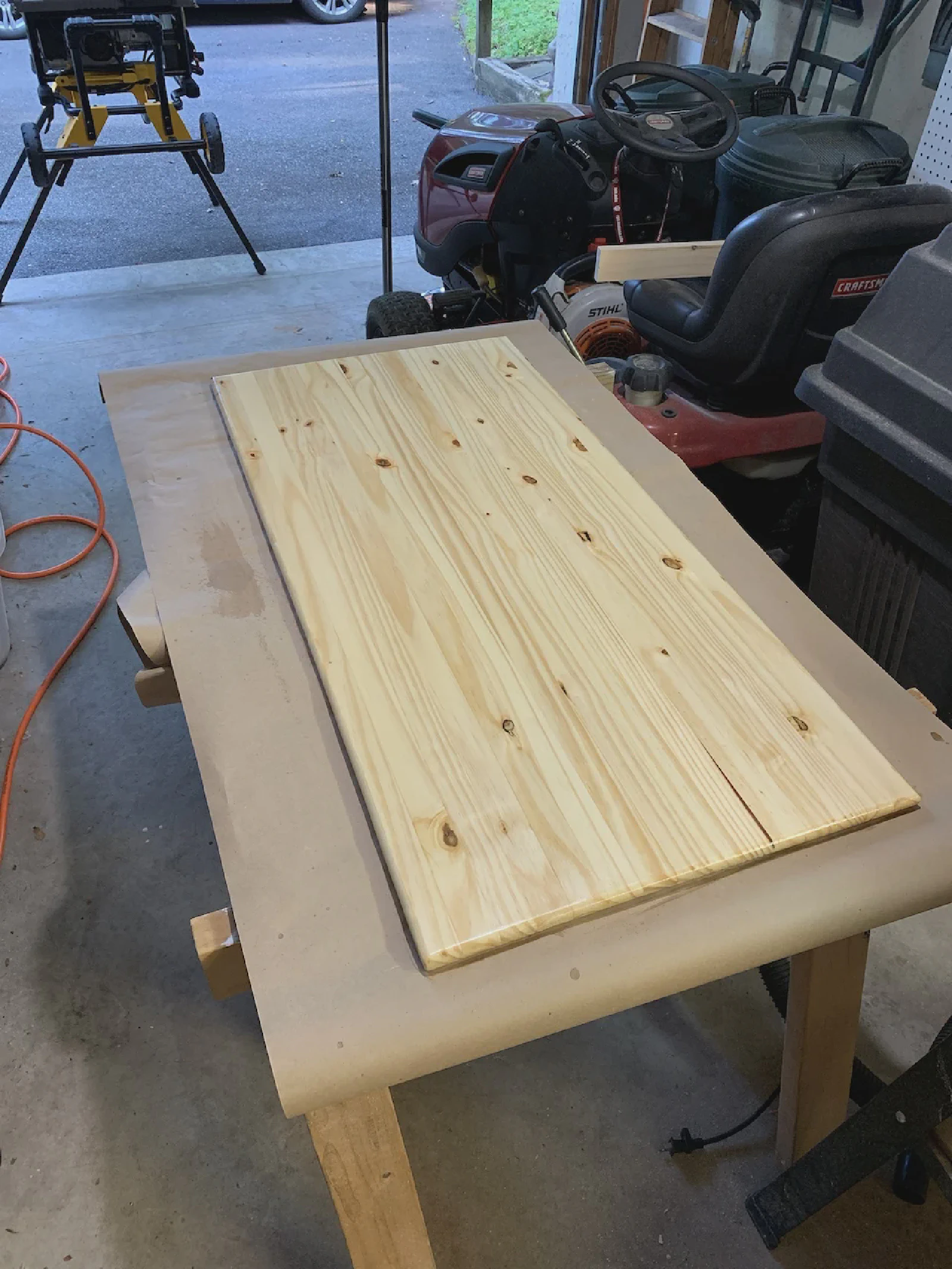
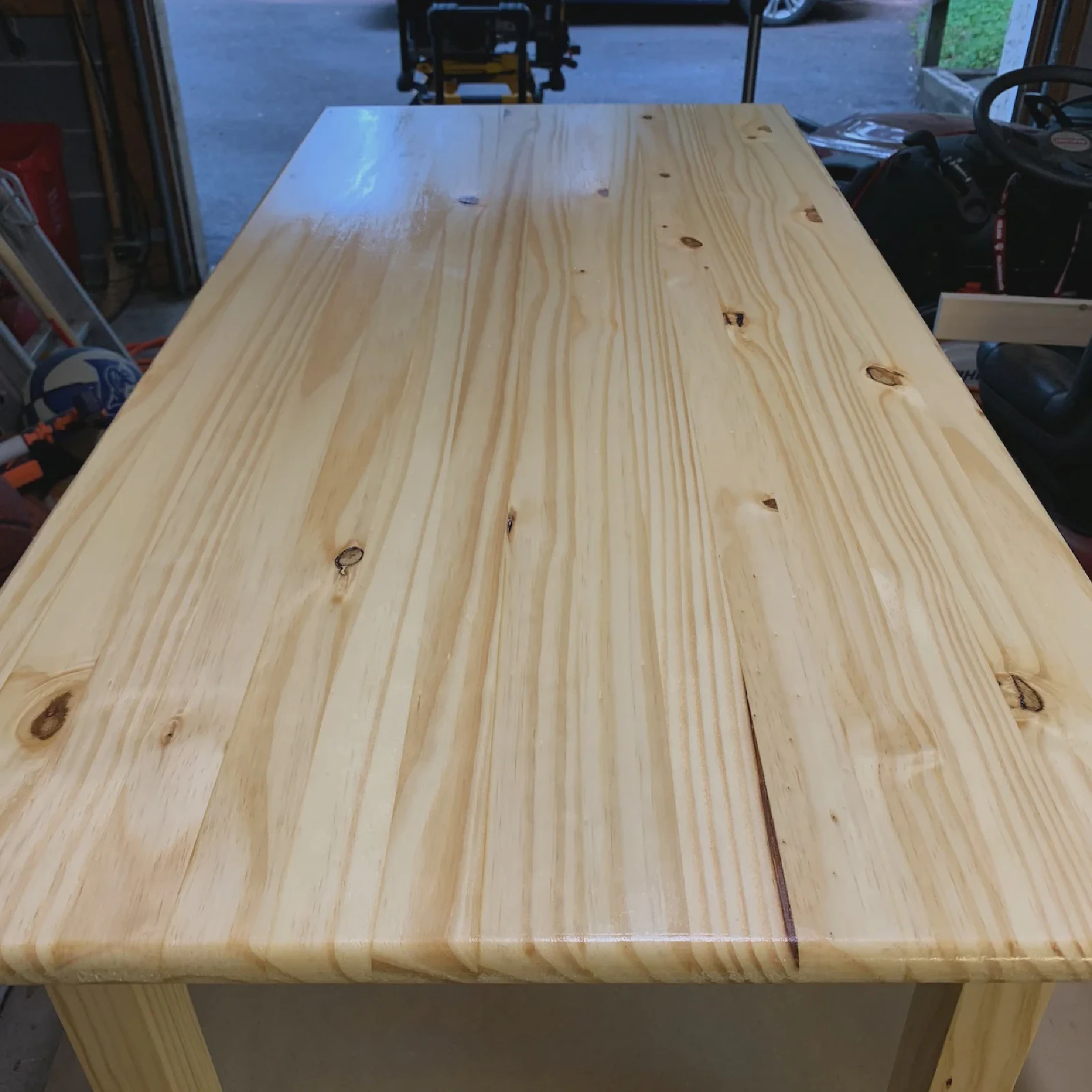
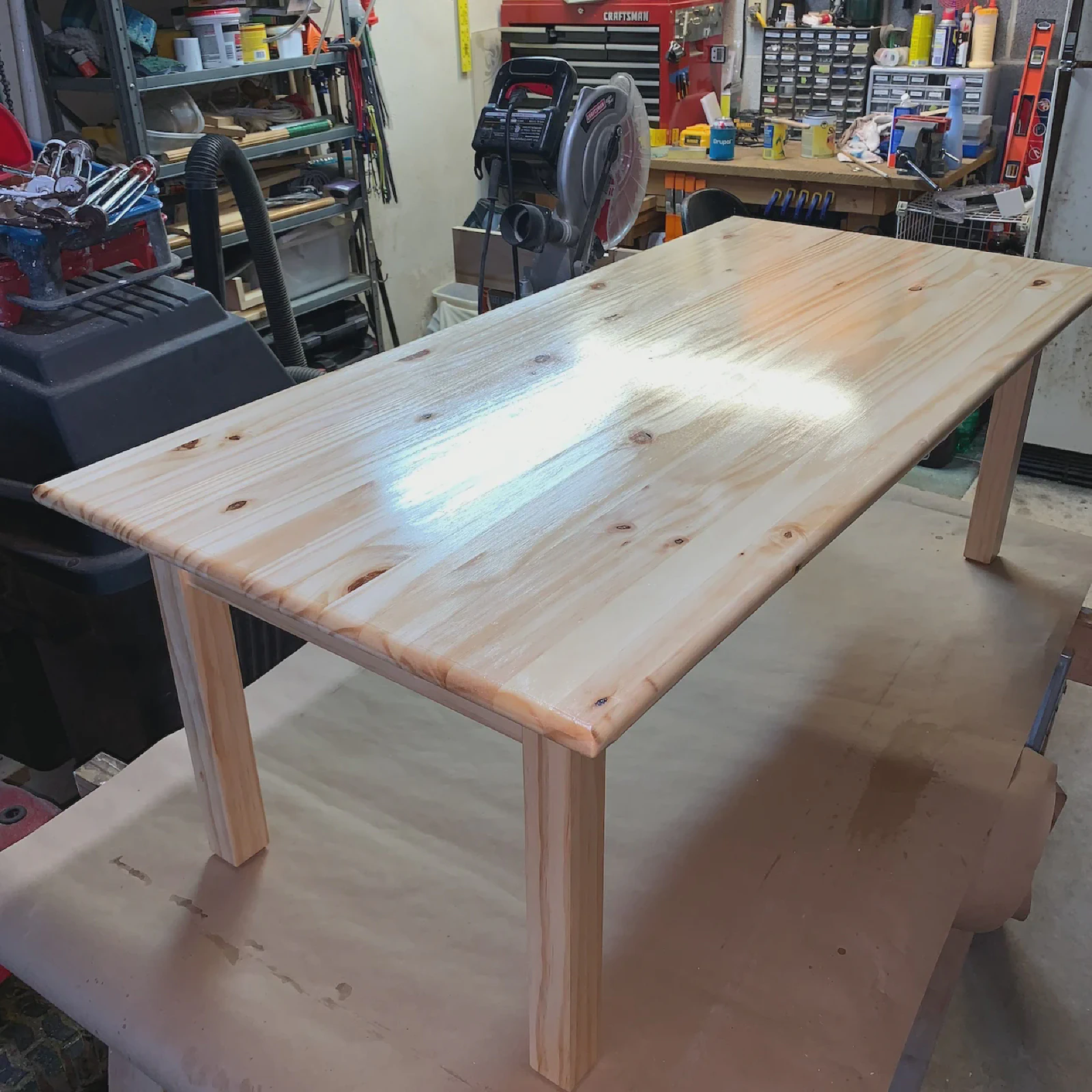
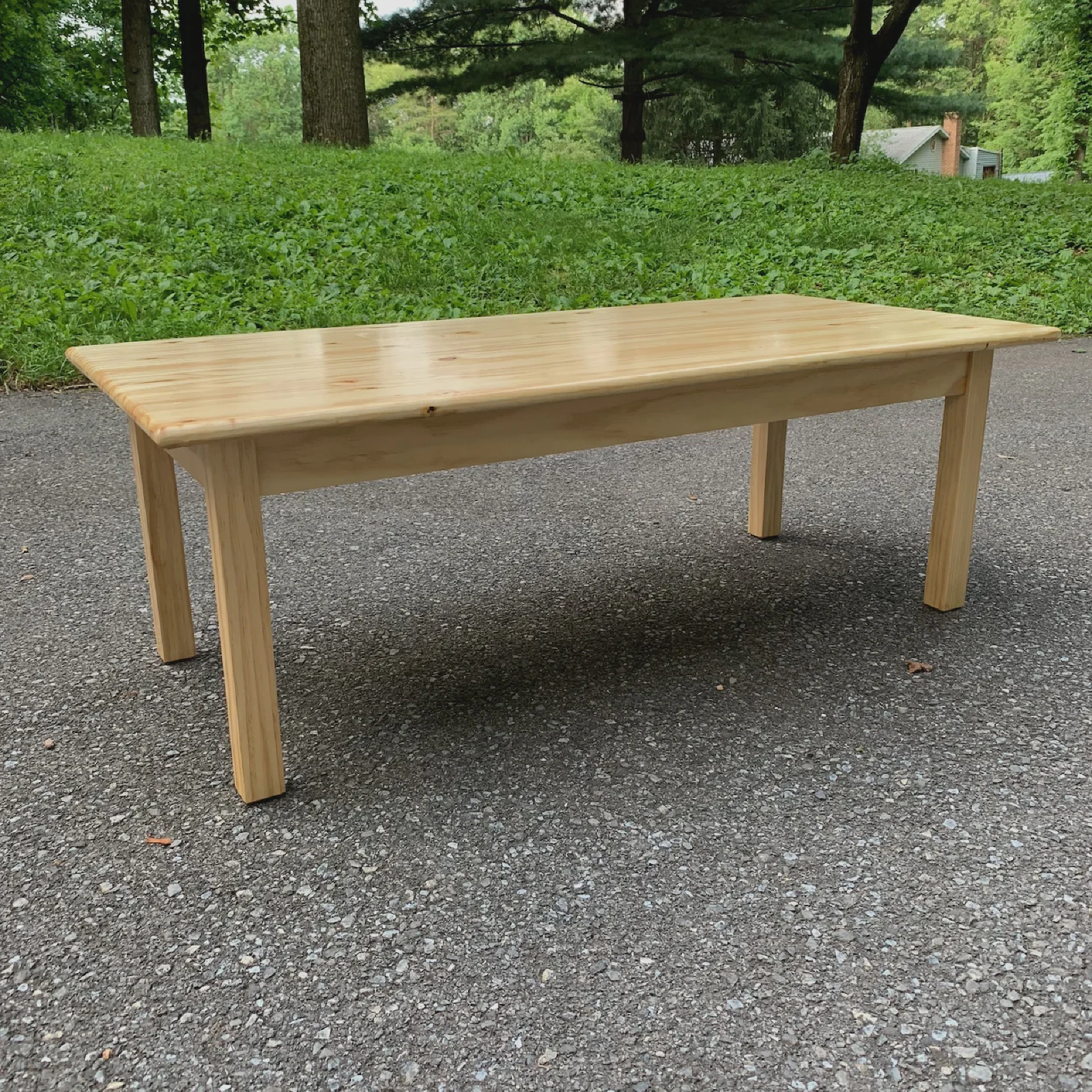
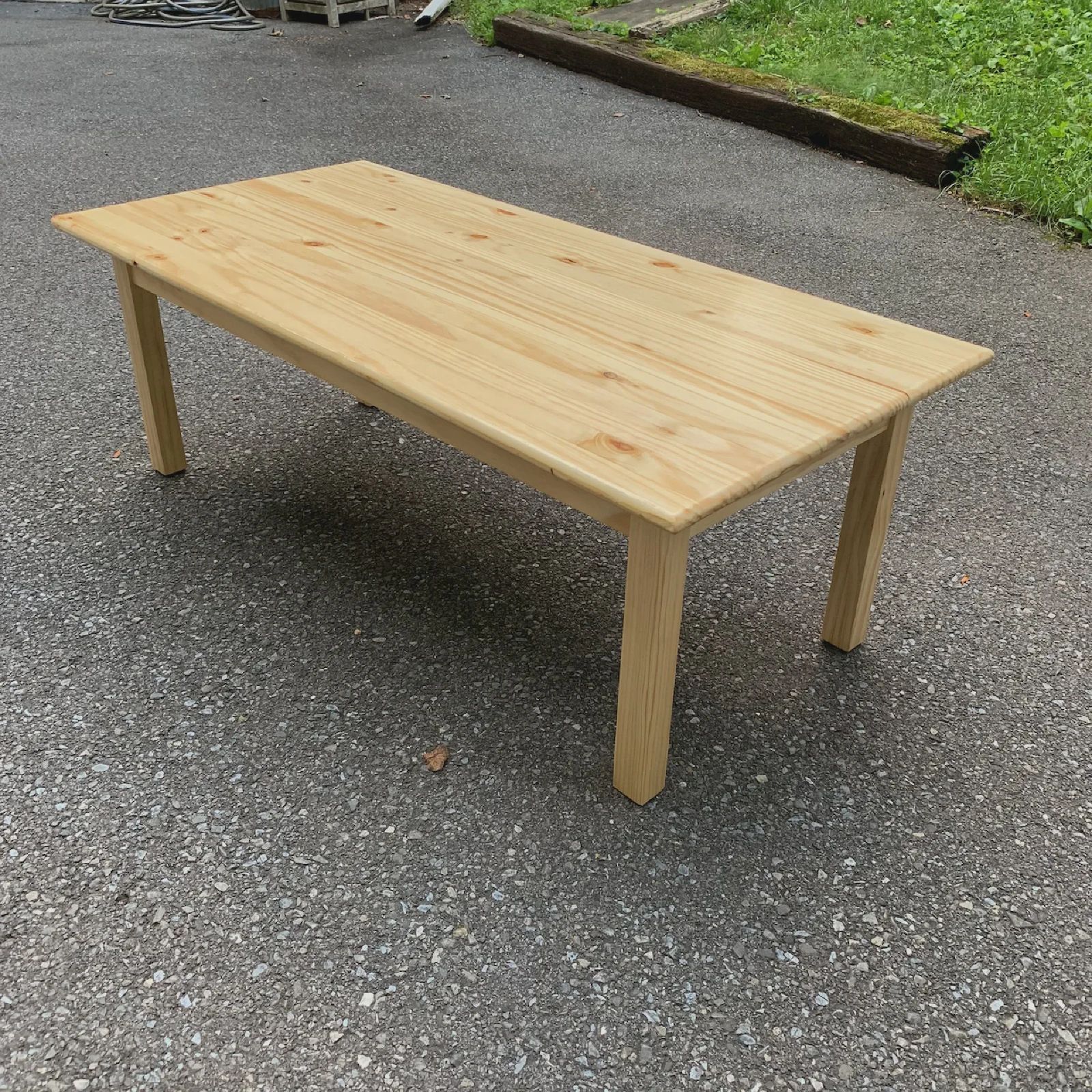
A straightforward pine coffee table that started life as a stand for my daughter’s guinea pig cage. Years later, when the guinea pigs were gone, I sanded the old finish off the top, and re-applied a polyurathane finish so it could live in the living room as a coffee table.
Inspiration #
The original need was a sturdy, easy-to-clean platform for the guinea pig cage. Once we no longer needed the cage, the frame was too solid to toss, so I refinished it and repurposed it as a simple coffee table.
Wood Type and Fasteners #
- Pine from the local big-box store (select boards, surfaced four sides)
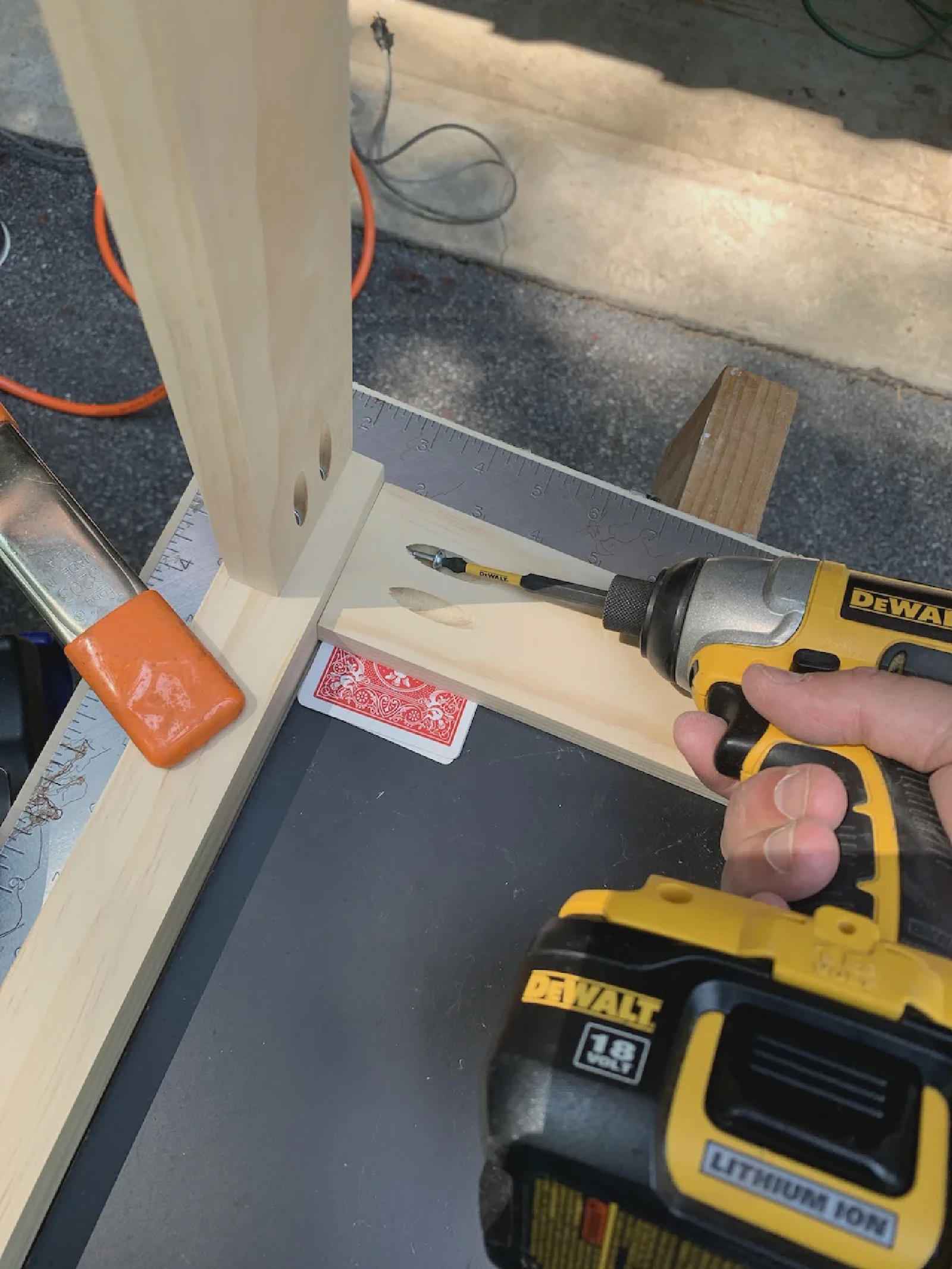
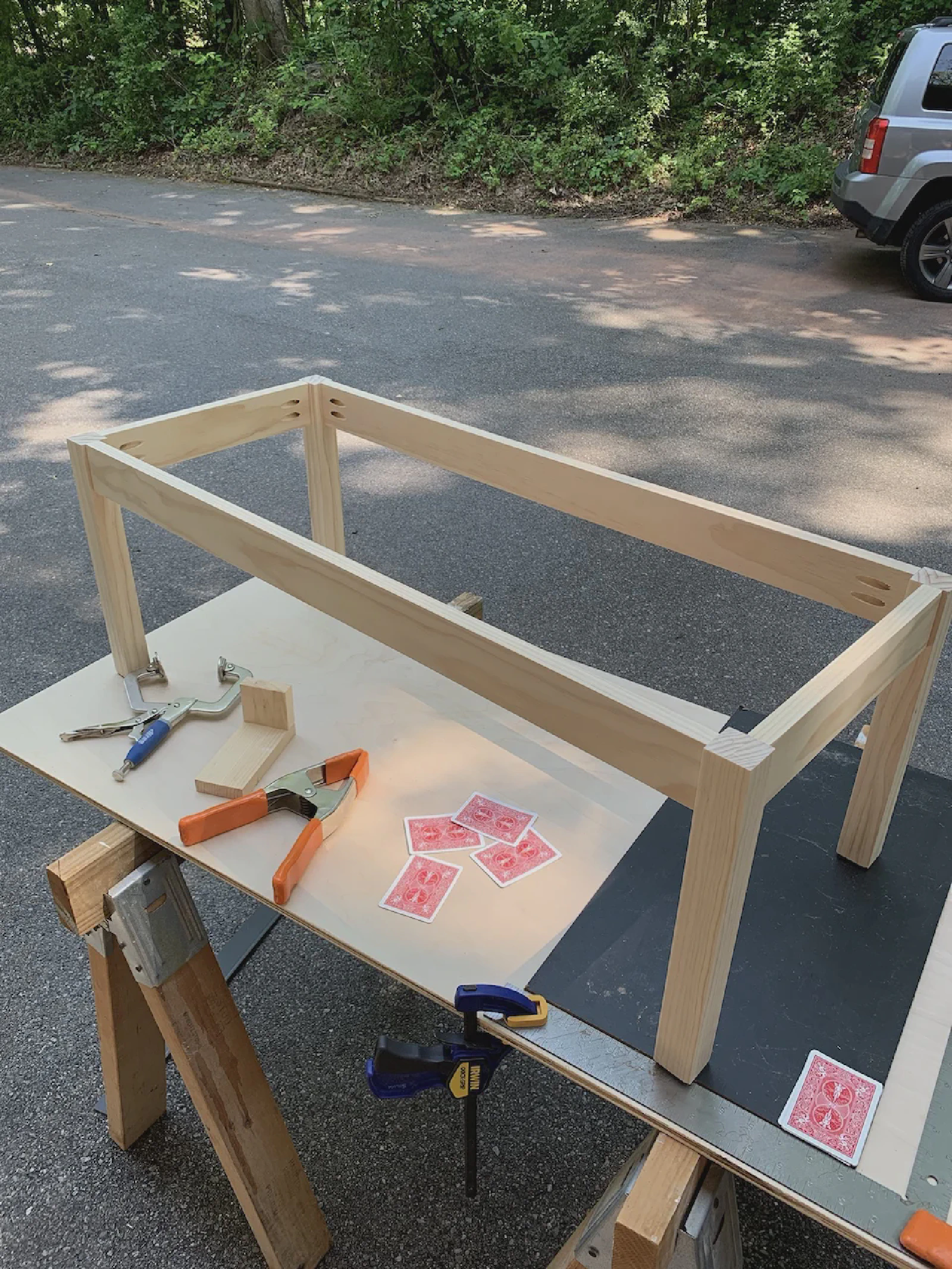
- Pocket screws for the frame joinery
- Basic wood screws to secure the top to the frame
Materials #
- Pine boards for legs, aprons, and the top planks
- Pocket screws (coarse-thread for softwood)
- Wood screws for attaching the top
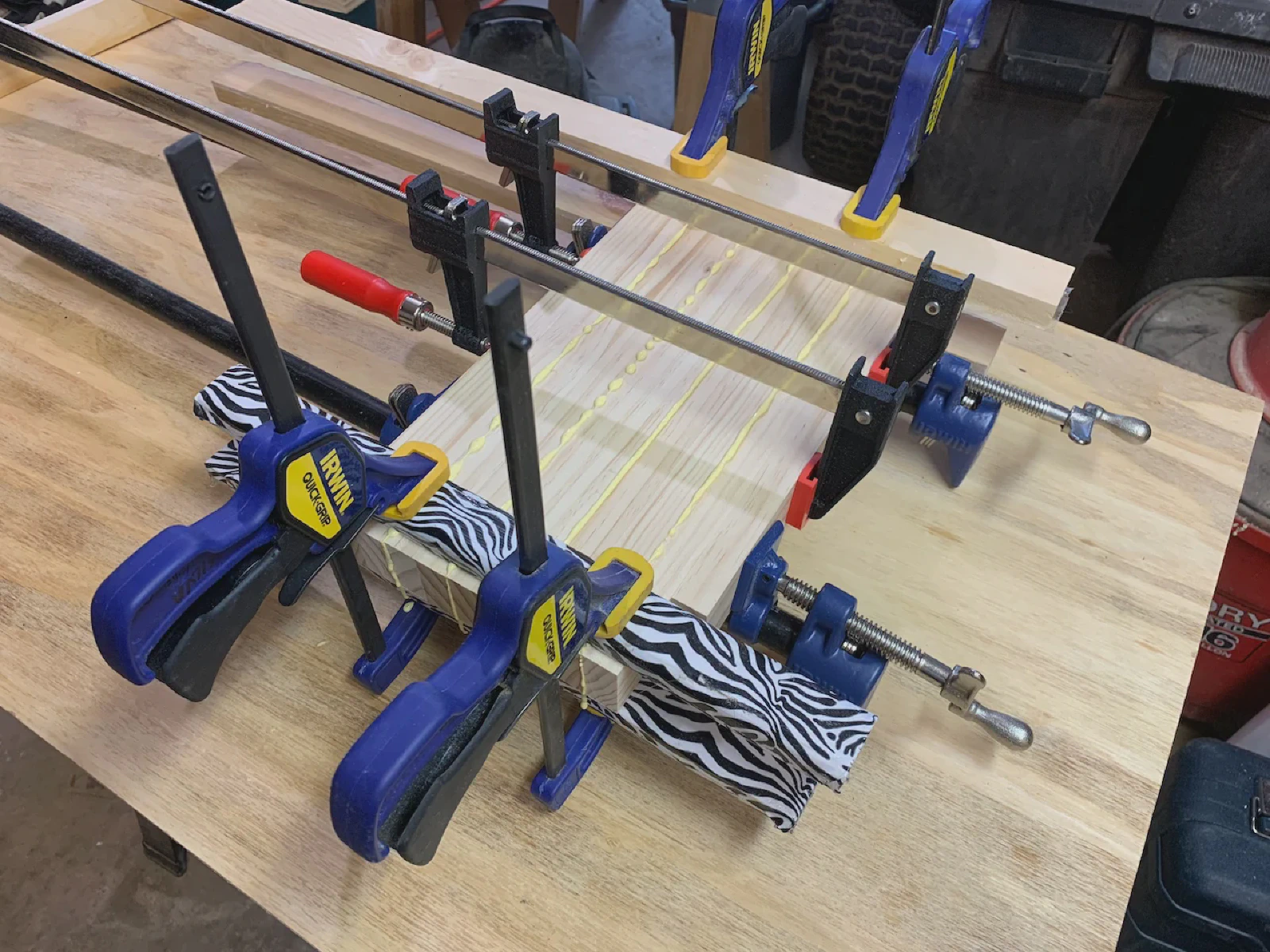
- Glue for the top lamination (optional if boards are edge-joined)
Tools Used #
- Miter saw or circular saw with a straight-edge guide
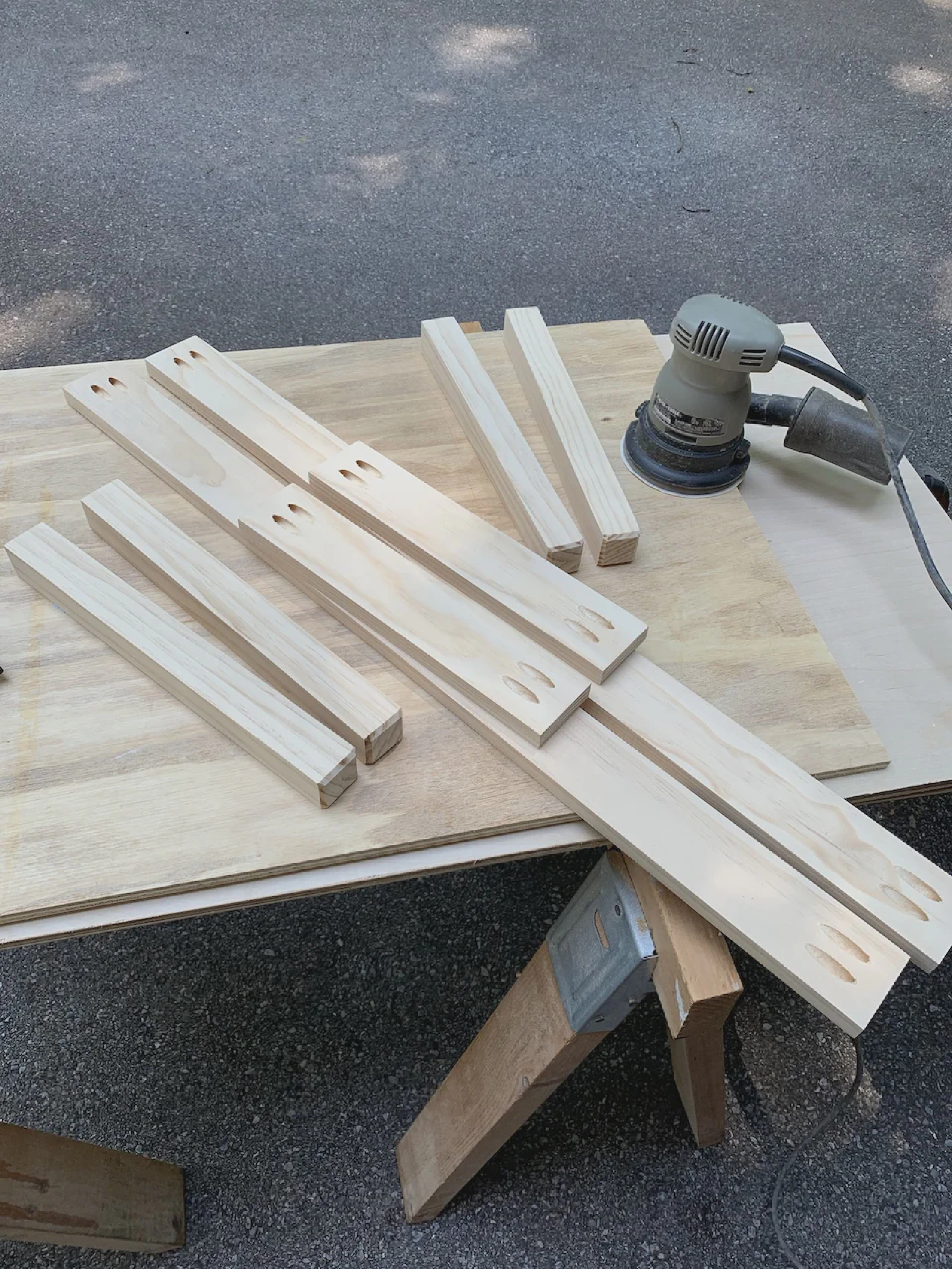
- Pocket hole jig and drill/driver
- Orbital sander with 120/220 grits
- Clamps for assembly and top glue-up
- Measuring tape and square
Build Notes #
- Cut legs and aprons from pine; keep pairs the same length for a flat frame.
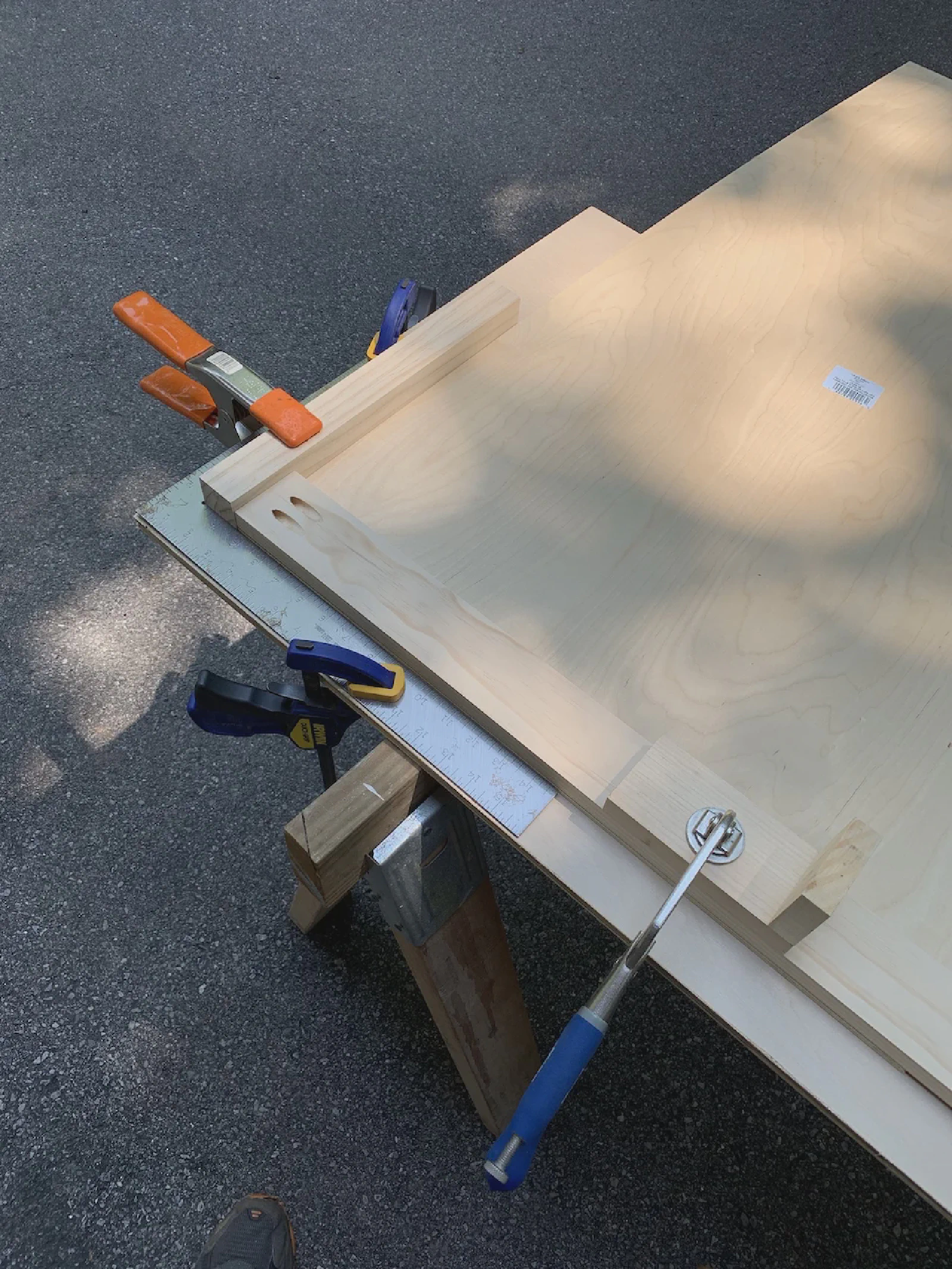
- Drill pocket holes in the aprons and assemble the rectangular frame with pocket screws and glue.
- Square the frame during assembly; check for twist before the glue sets.
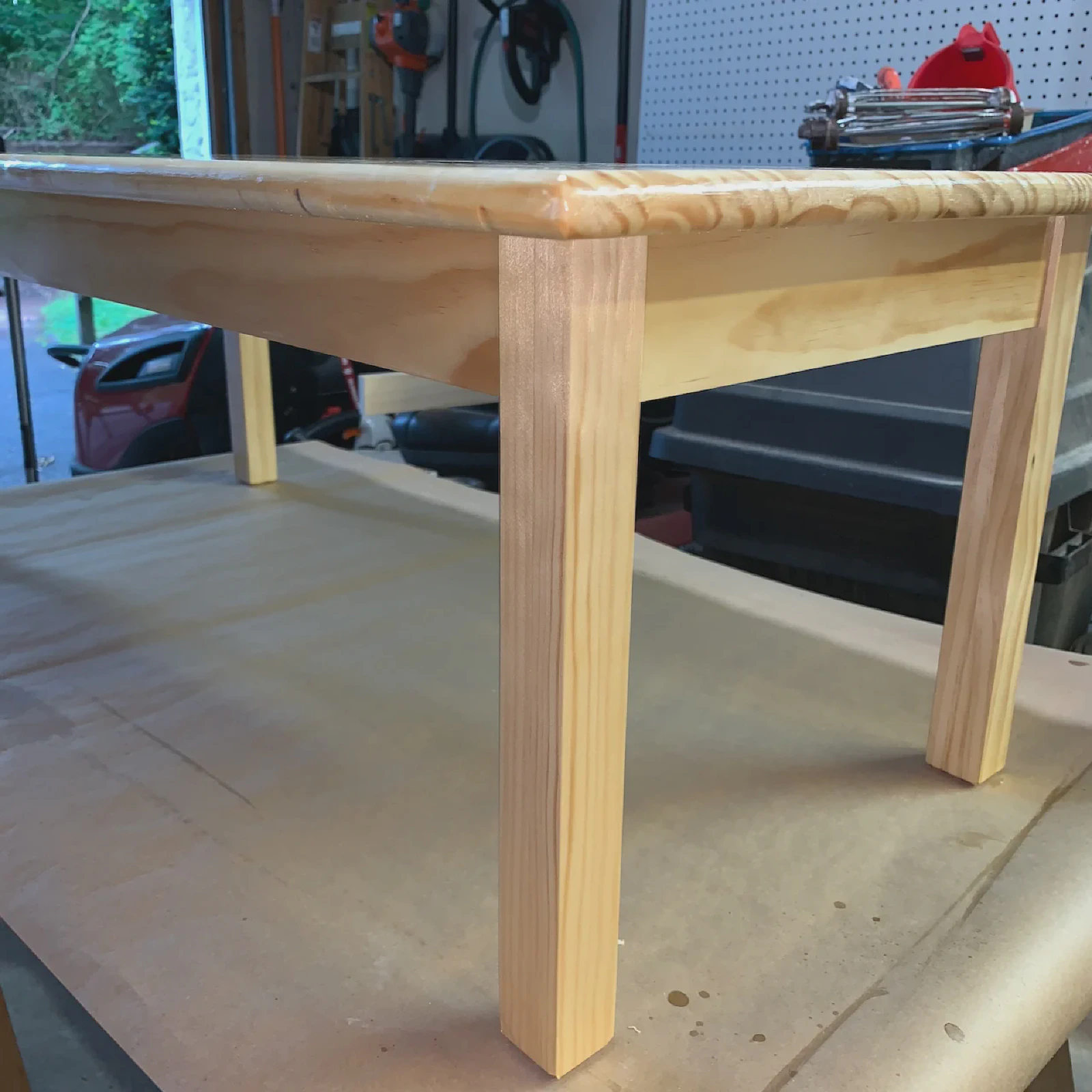
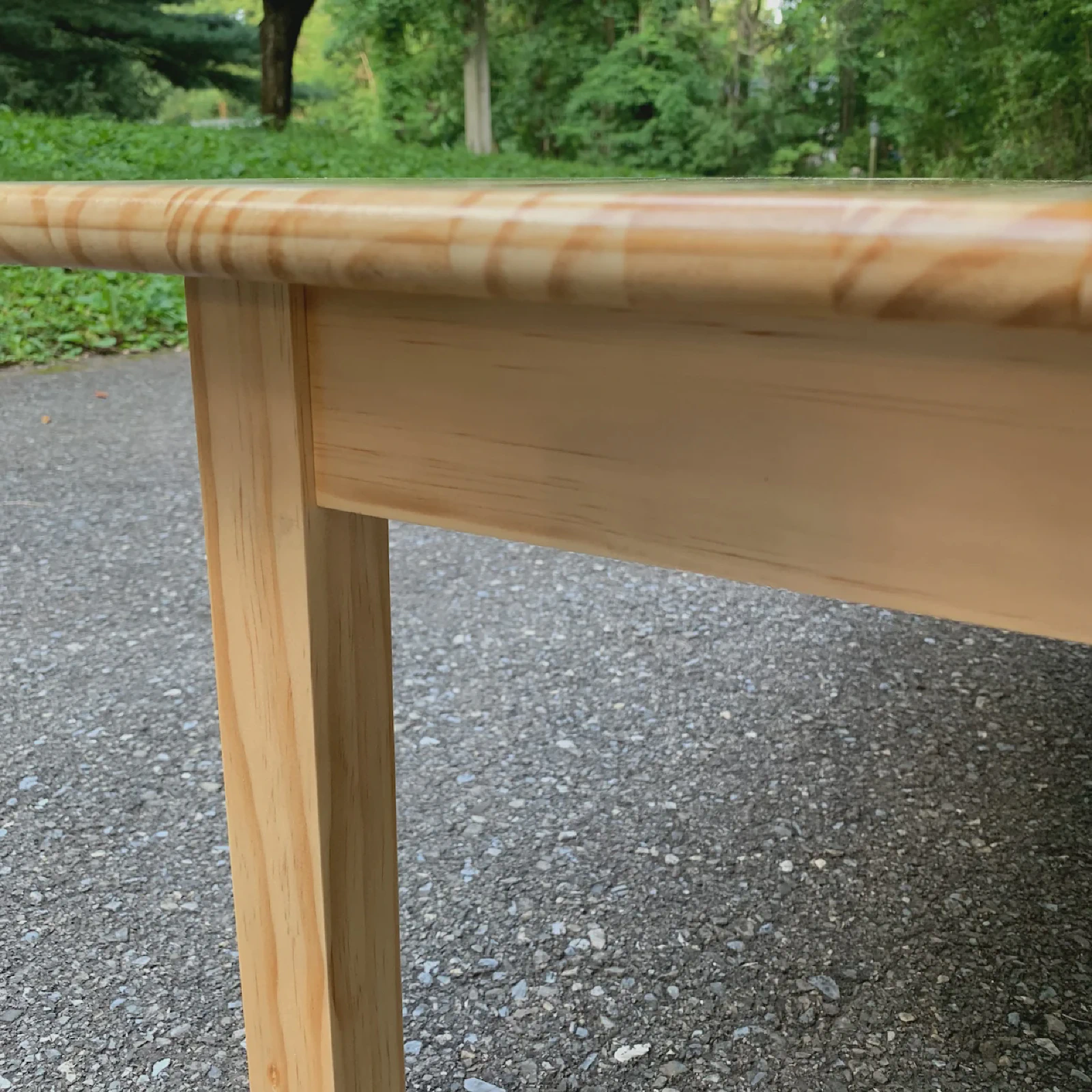
- Add a small chamfer to the bottom edges of the table legs to prevent splintering or tear-out when moving it around.
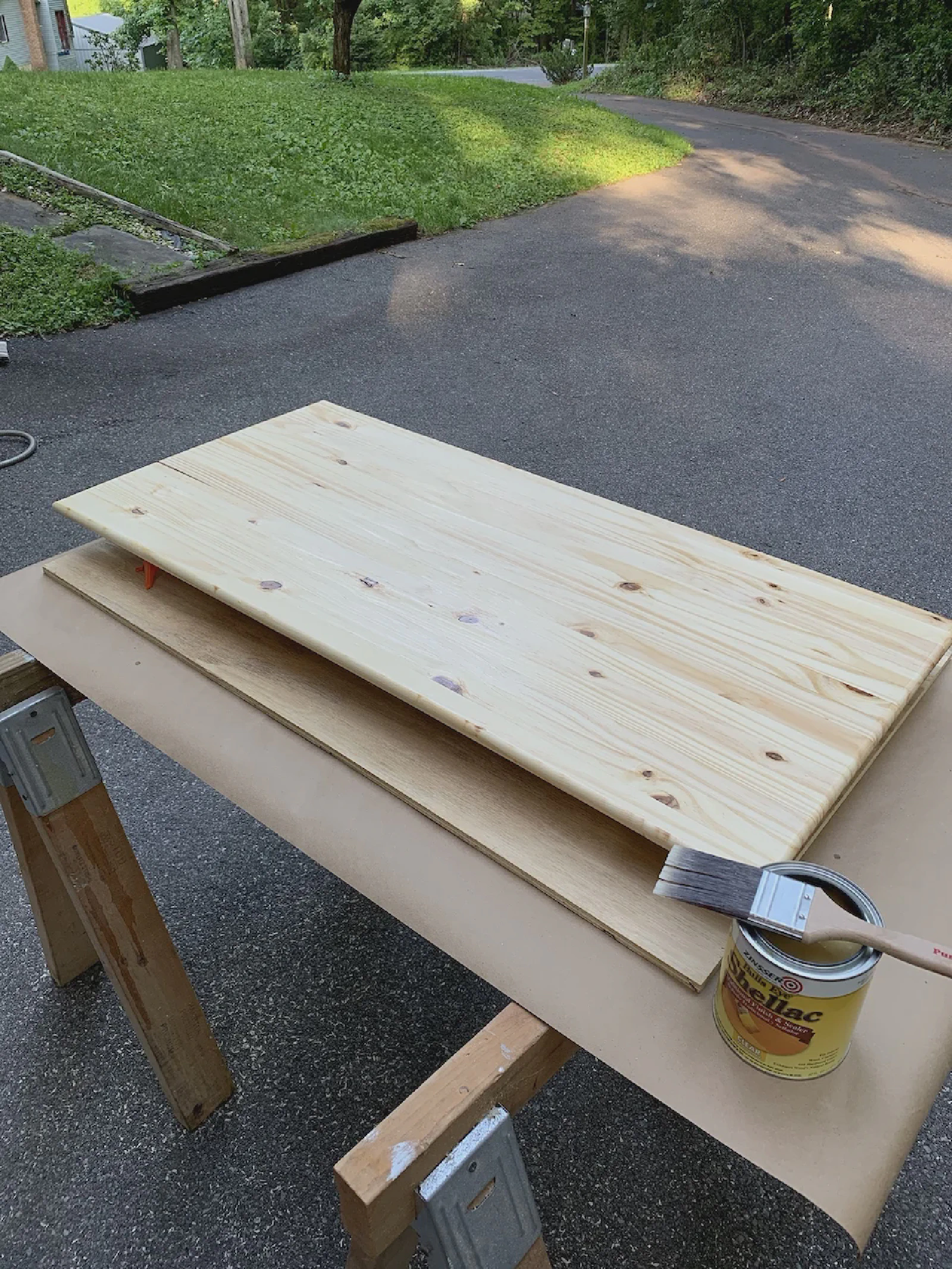
- Edge-join the top boards (glue and clamps) or leave a small gap for expansion if you prefer a plank look.
- Attach the top to the frame with wood screws from underneath; elongate holes slightly for seasonal movement.
- Ease sharp edges with 120–220 grit and vacuum the dust or wipe with mineral spirits before finishing.
Finishing #
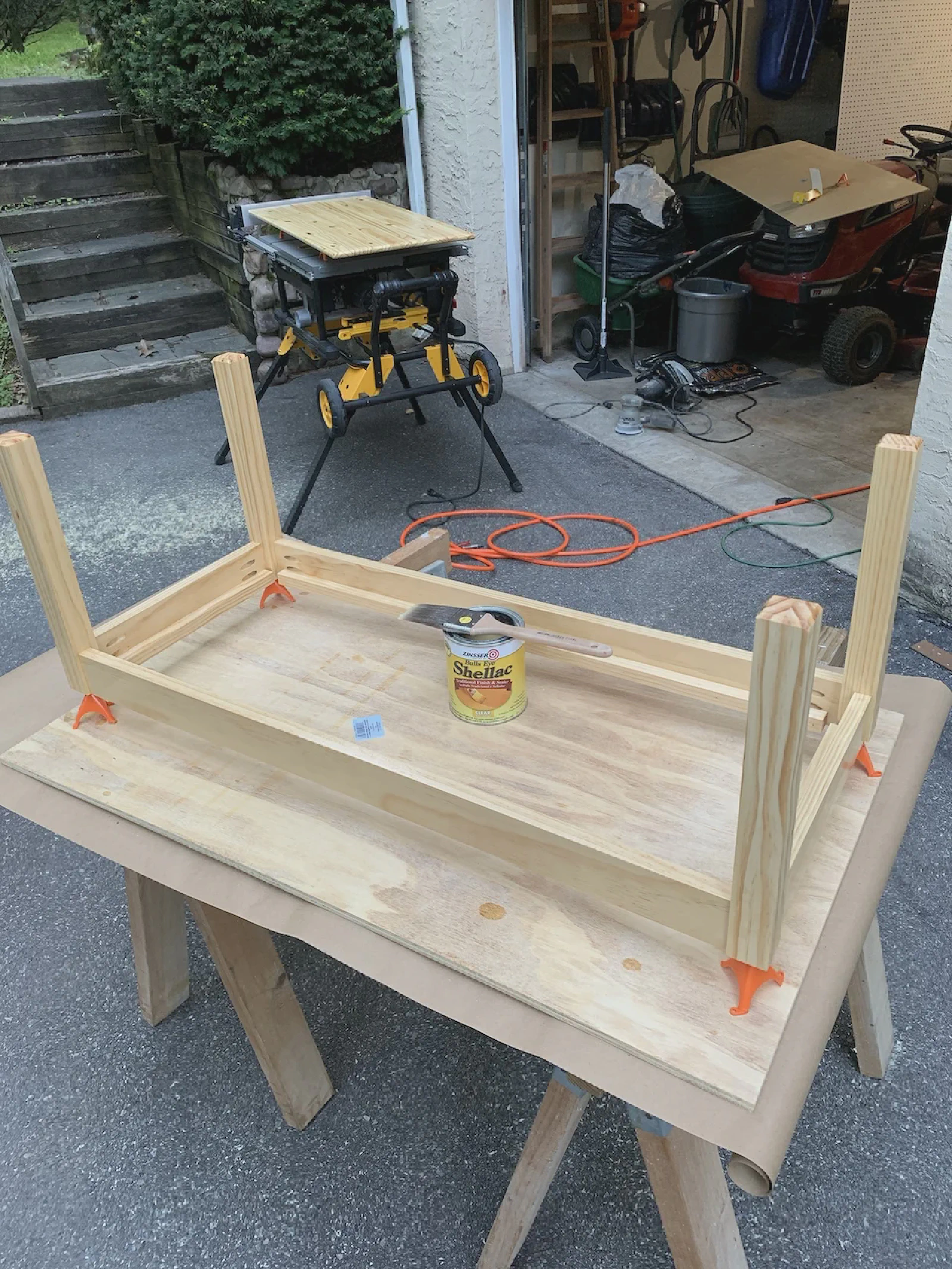
- Frame: shellac, wiped/brushed in thin coats with a quick scuff sand between coats
- Top: polyurethane for better wear resistance; apply multiple thin coats and allow full cure before use
Lessons Learned #
- Pre-finish the top and frame separately to avoid drips at the apron-to-top joint.
- Soft pine dents easily; a light shellac seal before assembly helps limit glue blotches.
- Pocket screw joints stay tighter when you clamp firmly and use coarse-thread screws in softwood.
Photos #